
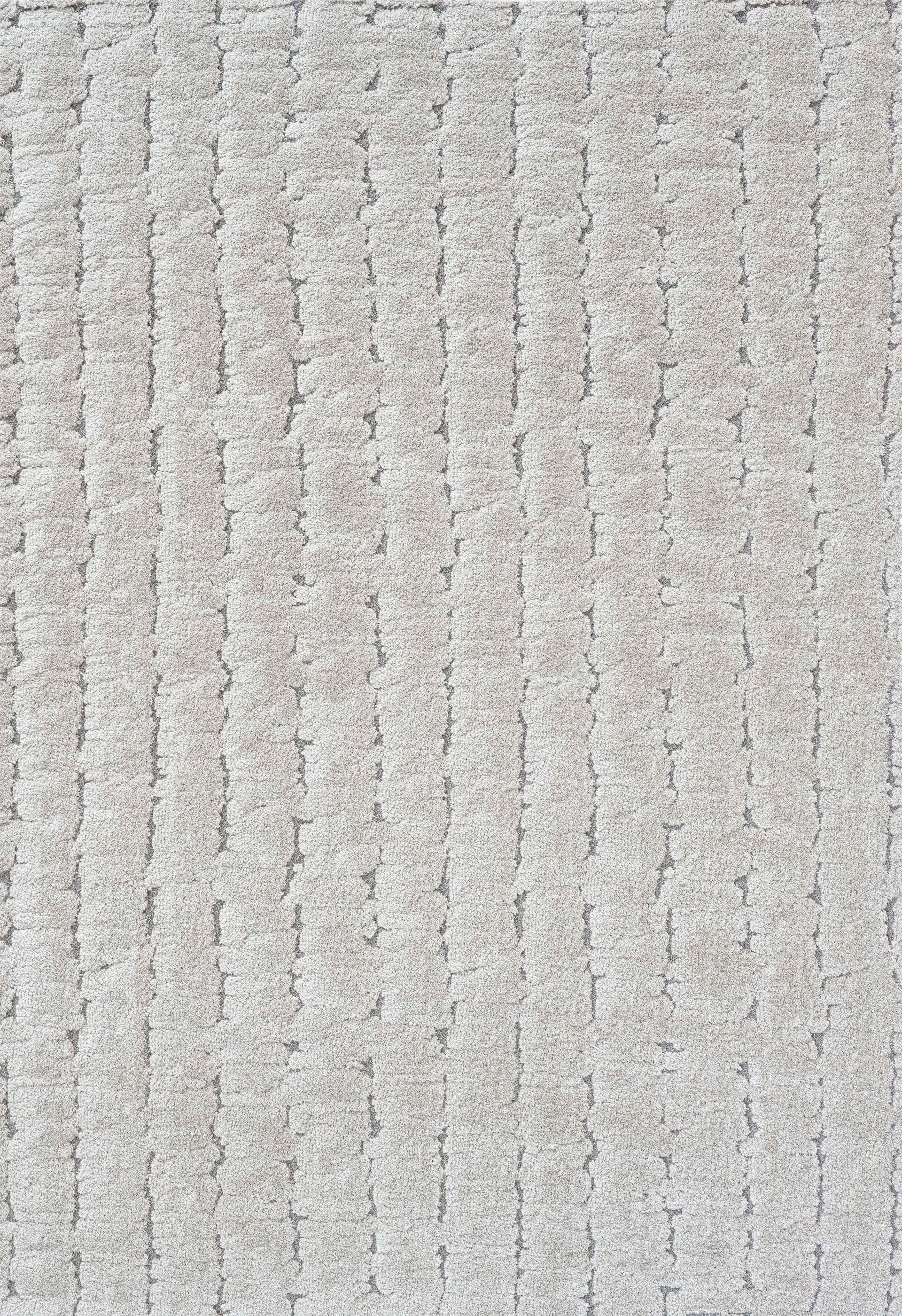
In short: The best rugs for high-traffic rooms are dense, low-pile heatset polypropylene in a mid-tone or patterned color. The fiber resists stains and fading, the short pile has nothing for a claw to snag, and spills blot off the surface. Our Belgian Ancient Garden, Masai and Mehari lines are built for exactly this and clean with mild soap and water.
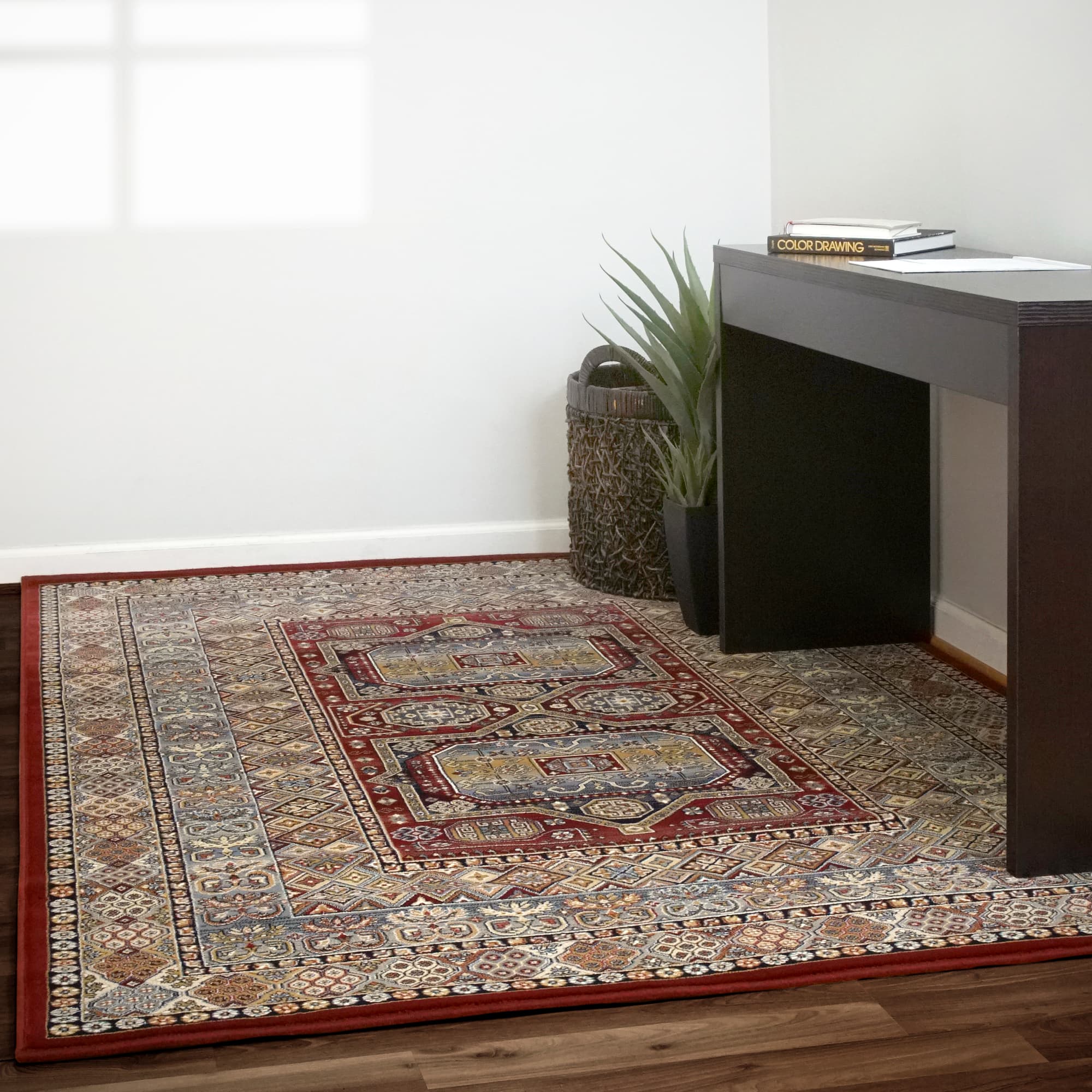
Cedar Ancient Garden Red, heatset polypropylene woven in Belgium.
Some rooms never get a quiet day. The front door takes wet shoes, the kitchen takes drips and dropped forks, and the family room takes the dog, the kids and Friday night pizza. A rug in those spots either shrugs it off or looks tired within a year. Here is what to buy for each busy area, which colors hide the traffic, which fibers to keep out, and how to care for the rug.
Why heatset polypropylene is the busy-room fiber
Our Belgian polypropylene lines are power loomed with a dense, low pile from yarn that is heat-set before weaving. Heat-setting locks the color into the fiber, which is why these rugs resist stains and fading and come clean with mild soap and warm water.
The low pile matters as much as the fiber. Deep pile crushes where people walk and traps grit. A short, tight pile stays even, vacuums clean in a pass, has no loops for a claw to hook, and sheds nothing.
Three collections carry this construction, all woven on Belgian looms:
- Ancient Garden: Persian and traditional patterns in the widest size range we sell, including runners, rounds and ovals.
- Masai: quieter, more contemporary patterns on the same dense pile.
- Mehari: easy-care designs that hide wear well.
The entryway
The entry rug is the first thing shoes meet, so it takes water, salt and grit before anything else. Pick a low pile that vacuums clean and a pattern that hides a muddy footprint until you get to it.
- A 2x3 or 2x4 for a narrow front door or apartment entry.
- A 3x5 or 4x6 for a foyer where people stop to take shoes off.
- A runner for a long, galley-style entry.
- Leave a few inches of bare floor so the door swings clear.
A rug pad is not optional here. Sized an inch smaller than the rug on every side, it stops the rug sliding. Our entryway rugs page groups the small sizes and runners that fit.
Hallways
Hallways are pure foot traffic, and the wear runs in one straight lane down the middle. A runner in dense low pile handles that better than anything else, and a patterned one hides the lane.
Measure the hall and leave about 4 inches of bare floor on each side, so a 36-inch hall takes a runner around 28 inches wide. Stop short of the doorways at each end. If your hall is longer than the standard runner sizes, call 1-888-RUG-3396 and ask about roll runners cut to length. Browse all runner rugs to compare widths and patterns.
Kitchens
Kitchens are the hardest room for a rug: grease, water, dropped food and chairs scraping back from the table. Only polypropylene or polyester belongs here. Heat-set polypropylene does best because a splash sits on the surface long enough to blot.
- A 2x3 in front of the sink or stove, where you stand the longest.
- A runner along the island.
- A 5x8 or larger under a breakfast table, so chairs stay on the rug when pushed back.
Skip plush pile and light solids. The kitchen rugs page collects the low-pile options in kitchen sizes.
Family rooms
A family room rug gets sat on, walked across, spilled on and slept on by the dog. Size it like a living room: front legs of every seat on the rug, which means an 8x10 for most rooms and a 9x12 for a large one. When you are between two sizes, take the larger.
Ancient Garden is the safe choice here: the traditional patterns absorb a lot of visual noise, and the dense pile stands up to a sectional. Our how to choose rug size guide covers the measurements room by room.
Homes with dogs and cats
Pets change the shopping list in three ways. A cat wants a loop to hook a claw into, so the pile needs none. A dog brings mud, hair and the occasional accident, so the fiber has to release a stain and the pile has to sit low enough that hair vacuums off. Both shed, so a rug that sheds too is twice the work.
Dense low-pile heatset polypropylene answers all three. There is nothing to snag, nothing comes off the rug itself, and an accident blots up off the surface with mild soap and water. This is why we only call our polypropylene and polyester rugs pet friendly, never the wool or viscose lines. Start with pet-friendly rugs and narrow by size.
Colors that hide the traffic
Ivory and pale solids show every footprint and crumb, and in a busy room they look worn long before they are. Pick from these instead:
- Charcoal and mid-grey grounds hide dirt and the shading a walk lane leaves.
- Multi-tonal rugs, where the color shifts across the pile, break up marks so the eye does not settle on them.
- Patterned grounds, from Persian medallions to an all-over geometric, disguise both wear and spills.
A patterned charcoal or a multi-color traditional is the most forgiving choice of all. Save the ivory for the bedroom.
Fibers to keep out of busy rooms
Two fibers we sell are wrong for a hallway, entry or kitchen. They are good rugs made for a different job.
Viscose (Lara, Pandora, Ruby, Quartz) has a silky sheen that suits a bedroom or a formal sitting room. It marks where water sits, needs professional cleaning, and a claw pulls it. Keep it away from shoes, pets and sinks.
Wool (Brilliant, Wade) is warm and resilient in a living room or bedroom, but more delicate than polypropylene. It sheds when new and holds a stain that is not blotted straight away. Our rug materials guide explains where each fiber belongs.
A care routine for a busy rug
A busy rug does not need much, but it needs it regularly.
- Vacuum once or twice a week with the beater bar off.
- Blot spills straight away with a clean cloth. Never rub.
- For a set stain, mild soap and warm water on a cloth, then blot with plain water. No bleach, no solvents.
- Give the rug a quarter turn once or twice a year so the walk lane wears evenly.
- Use a rug pad on hard floors, an inch smaller than the rug on every side.
That is all a heat-set polypropylene rug needs to look close to new for years. Our stain-resistant rugs page lists the collections that clean this way.
Frequently asked questions
What is the most durable rug material for high-traffic areas?
Heat-set polypropylene in a dense, low pile is the most practical fiber for busy rooms. The color is locked into the fiber, so it resists stains and fading, and the short pile stays even where people walk. It cleans with mild soap and warm water and sheds nothing. Polyester is a close second. Wool and viscose are softer and more delicate and belong in bedrooms and formal rooms.
Is a low-pile or high-pile rug better for a hallway?
Low pile, every time. A hallway wears in one straight lane, and deep pile crushes and mats along that lane within months. A short, dense pile stays flat, vacuums clean in a pass, and hides the lane far better, especially in a patterned or mid-tone color.
What color rug hides dirt best?
Charcoal, mid-grey, and multi-tonal or patterned grounds hide dirt and wear best. A Persian-style pattern on a red or navy ground is especially forgiving, because the eye reads the pattern rather than the mark. Ivory and pale solids show footprints almost immediately and belong in low-traffic rooms.
Are polypropylene rugs safe for dogs and cats?
Our polypropylene and polyester rugs are the ones we call pet friendly. The dense low pile has no loops for a claw to pull, the rug sheds nothing of its own, and hair vacuums off the surface. Accidents blot up with mild soap and warm water because the color is set into the fiber. No rug is indestructible, so blot quickly and keep a rug pad underneath so it does not slide when a dog takes off.
Where to start
If you want one answer for every busy room, it is a dense low-pile heatset polypropylene rug in a charcoal, multi or patterned ground. Browse Ancient Garden for the widest range of sizes and shapes, or start from your room in the shop. Shipping is free on every order and returns are 30 days with no restocking fee.
